

Procopius
Greek · Geography · Record of War · Historiography
2 works · 45,745 aligned sentences
History of the Wars
This work is a detailed historical narrative of the major foreign campaigns conducted under Byzantine Emperor Justinian I in the sixth century, recorded by Procopius, who accompanied the renowned general Belisarius as his legal adviser. The narrative commences with the fierce confrontations against the Sasanian Persian Empire along the eastern frontier, proceeds to the rapid conquest of the Vandal Kingdom in North Africa followed by subsequent rebellions, and culminates in the protracted Gothic War fought across the Italian peninsula. Procopius meticulously weaves together field operations, intense sieges, and diplomatic maneuvers with domestic crises such as the Nika Riots, the devastating outbreak of the Justinianic Plague, and rich ethnographic and geographic accounts. In Italy, initial Roman triumphs in securing Rome and Ravenna are soon reversed by the vigorous counteroffensive of the Gothic king Totila, plunging the peninsula into a grueling cycle of sieges, widespread famine, and catastrophic devastation. The monumental conflict reaches its resolution only when the eunuch general Narses takes command, defeating the last Gothic kings at the Battle of Taginae and bringing the eighteen-year war to an end. Beyond chronicling martial triumphs, the work vividly captures the immense human suffering of imperial reconquest and reflects deeply on the unpredictable vicissitudes of fortune.
Geography471 chunks · §1.1.1-1.1.17–§8.35.27-8.35.3840,364 aligned sentencesRead →Secret History
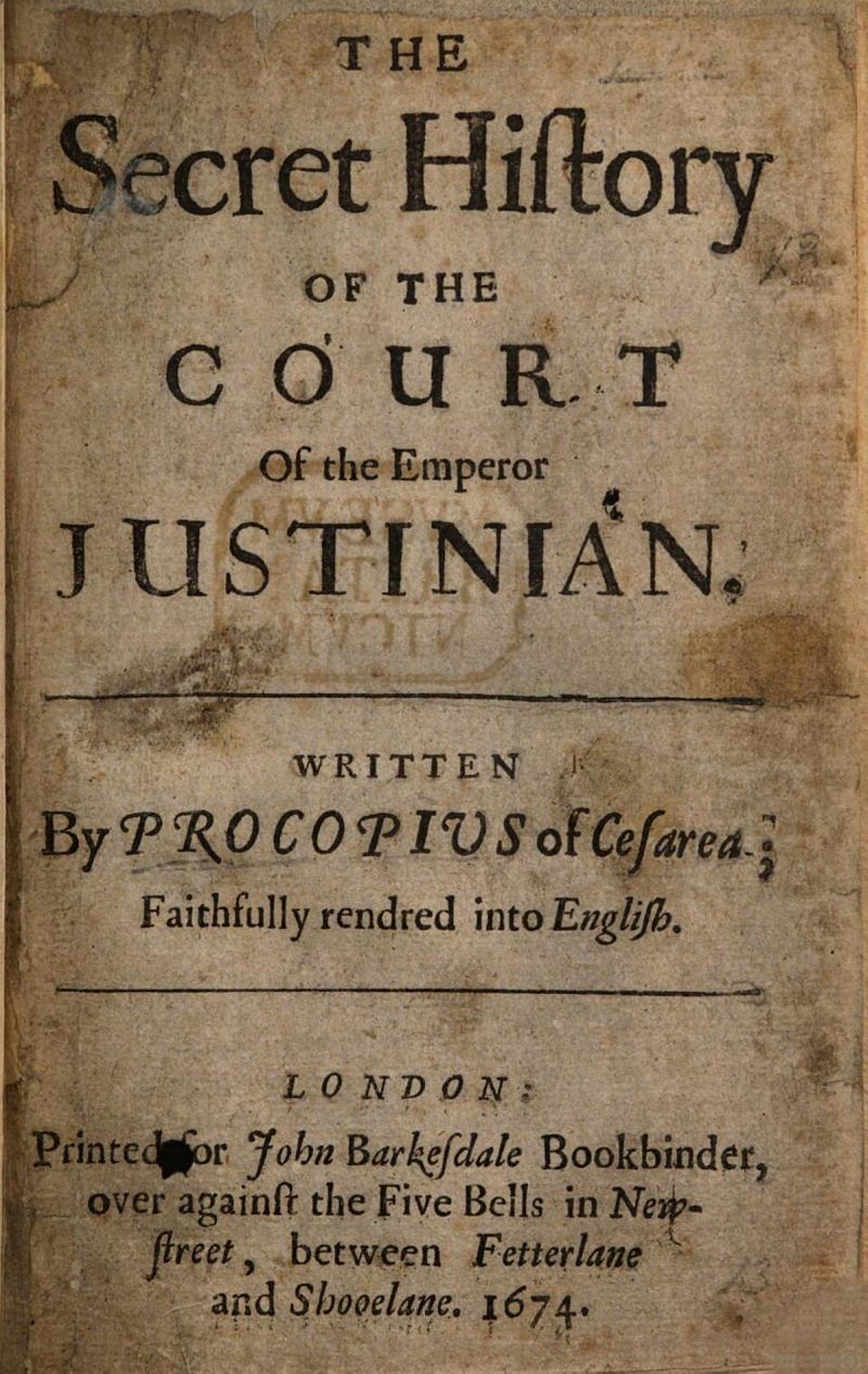
The Secret History is an exposé in which the sixth-century Byzantine historian Procopius records the hidden corruption and vices of the imperial court that he could not disclose in his official histories due to fear for his life. The narrative opens with the domestic scandals of the renowned general Belisarius, showing how his military duties and the empire's affairs were compromised by the manipulations of his adulterous wife, Antonina. Procopius then turns his fierce indictment toward Emperor Justinian and Empress Theodora, chronicling Theodora's vulgar theatrical past and ruthless intrigues alongside Justinian's manipulation of the Blue faction to impose a reign of terror. In the central and later parts of the work, the author portrays the imperial couple as demonic entities driven by insatiable greed, illustrating how arbitrary legal changes, relentless taxation, economic monopolies, and religious persecution devastated the empire. The work concludes with an extensive catalog of administrative ruin, from the dismantling of frontier defenses and the public postal system to the systematic confiscation of private fortunes, leaving the reader with a searing portrait of systemic desolation beneath the facade of imperial majesty.
Geography69 chunks · §1.1-1.11–§30.16-30.345,381 aligned sentencesRead →