

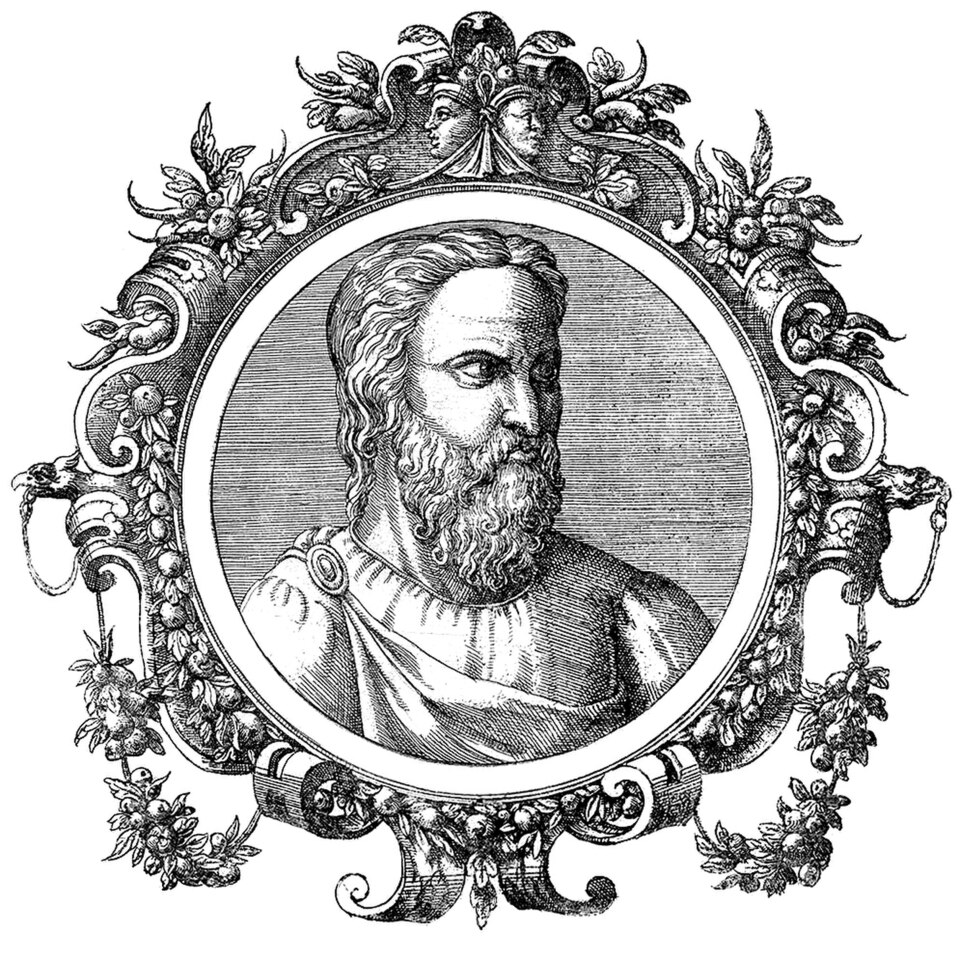
Aretaeus of Cappadocia
Greek · Philosophy · Medicine
4 works · 12,839 aligned sentences
On the Causes and Symptoms of Acute Diseases
This medical treatise systematically examines the causes, underlying mechanisms, and distinctive clinical symptoms of grave acute diseases that endanger human life. Moving systematically through the bodily systems, the work examines acute conditions affecting the head and neck, respiratory tract, heart, abdominal organs, and urogenital system. The first book addresses neuromuscular emergencies such as epilepsy and tetanus before detailing severe pharyngeal obstruction (synanche), malignant ulcerations of the tonsils and uvula, and pleurisy alongside their respective prognoses. The second book discusses acute pulmonary inflammation (pneumonia), various forms of internal hemorrhage and hemoptysis, cardiac syncope, cholera, ileus, and acute afflictions of the liver, vena cava, kidneys, and bladder. The treatise concludes with specific reproductive disorders, notably hysterical suffocation and satyriasis. Grounded in anatomical reasoning and etiology, the text presents a vivid account of disease progression, capturing the patient's critical distress and the paths leading toward either recovery or death.
Philosophy20 chunks · §1.5–§2.122,199 aligned sentencesRead →On the Causes and Symptoms of Chronic Diseases
In this medical treatise, Aretaeus of Cappadocia systematically investigates the underlying causes and diverse clinical manifestations of chronic diseases that afflict the human body over prolonged periods. Comprising two books, the work opens with detailed clinical descriptions of neurological and psychological conditions, including chronic headaches, epilepsy, melancholia, mania, and paralysis. It then proceeds to examine severe respiratory conditions such as phthisis and asthma, alongside inflammatory affections of the liver and spleen, jaundice, and systemic cachexia. The second book turns to conditions such as dropsy, diabetes—famously characterized as the melting of flesh into urine—urinary calculi, chronic bowel diseases, and gout. Concluding with a haunting portrait of elephantiasis and its horrifying physical deformities, the treatise combines rigorous anatomical observation with vivid descriptions to capture the inexorable course of chronic human suffering.
Philosophy37 chunks · §1.1-1.2–§2.13#34,484 aligned sentencesRead →On the Treatment of Acute Diseases
This medical treatise by the ancient Greek physician Aretaeus systematically expounds specific therapies for acute, life-threatening diseases. Serving as a therapeutic sequel to his earlier work on pathology and symptomatology, the text follows an anatomical progression, moving from disorders of the head and nervous system to those of the thorax, abdomen, and pelvic organs. In the first part, Aretaeus addresses conditions such as phrenitis (acute mental derangement), lethargy, apoplexy, tetanus, and severe throat affections, setting out detailed instructions on environmental management, dietary regimens, and the precise timing and sites for bloodletting. The second part examines life-threatening conditions of the vital organs, including pneumonia, hemoptysis, cardiac syncope, cholera, ileus, and acute ailments of the liver, kidneys, and bladder. Across these discussions, therapies such as venesection, cupping, clysters, cataplasms, and pharmacological remedies are combined with careful dietary administration of wine and gruel according to the stage of the disease. The treatise concludes by emphasizing that the physician must closely observe the patient’s vitality and changing symptoms, exercising flexible and timely clinical judgment rather than adhering rigidly to uniform formulas.
Philosophy33 chunks · §1.1–§2.113,972 aligned sentencesRead →On the Treatment of Chronic Diseases
This medical treatise by the ancient Greek physician Aretaeus of Cappadocia systematically expounds the therapies and regimens required for debilitating chronic diseases. The author begins by underscoring the critical necessity of early intervention, admonishing both patients who conceal their ailments and physicians who approach long-standing conditions with negligence. The work then addresses severe cephalic and psychological disorders—including chronic headaches, vertigo, epilepsy, and melancholy—prescribing rigorous interventions that range from venesection, cauterization, and trepanation to the administration of powerful hellebore, alongside meticulous instructions on diet, exercise, and bathing. It proceeds to survey visceral and systemic afflictions such as phthisis, hepatic and splenic diseases, diabetes, renal calculi, gastrointestinal disorders, and arthritis, recommending finely tailored nutrition and topical remedies for each stage. In its conclusion, the text confronts the most formidable of ailments, elephantiasis, detailing elaborate pharmaceutical preparations—including viper flesh—and culminating in the administration of white hellebore as the ultimate recourse for stubborn chronic illnesses. Throughout, Aretaeus seamlessly combines invasive pharmacological and surgical measures with gentle hygienic regimens, offering a comprehensive clinical guide to mastering the most intractable conditions of the human body.
Philosophy16 chunks · §1.1–§2.7#22,184 aligned sentencesRead →