

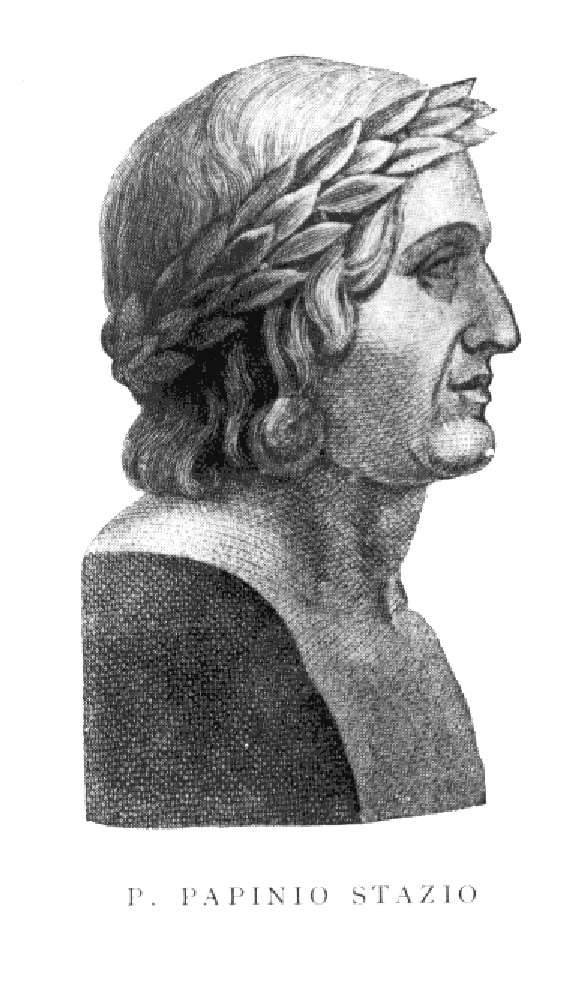
Statius
Latin · Poetry · Epic · Panegyric; Poetry · Lyric
3 works · 24,460 aligned sentences
Achilleid
This epic poem by Statius, left unfinished, recounts the youth and destined path of Greece’s greatest hero, Achilles (Achilleus), prior to the Trojan War. Fearing her son's fated death in battle, the sea-nymph Thetis takes him from the care of the wise centaur Chiron and hides him disguised as a girl at the court of King Lycomedes on Scyros. Achilles complies with the deception out of infatuation for the princess Deidamia, yet he struggles with deep shame over his idle disguise while yearning for warrior glory. His concealment is ultimately shattered when the wily Odysseus (Ulysses) and Diomedes arrive, tricking him into seizing weapons and revealing his martial nature. The surviving narrative breaks off in the second book as Achilles, sailing toward war, recounts the rigorous training and moral education he received from Chiron in his childhood, leaving a vivid portrait of a young hero’s awakening and acceptance of his heroic destiny.
Poetry14 chunks · §1.1-1.79–§2.86-2.1671,851 aligned sentencesRead →Silvae
The Silvae is a five-book collection of occasional poetry composed by the Roman poet Statius during the reign of Emperor Domitian. Written predominantly in dactylic hexameter alongside various lyric metres, the work brings together poems addressed to the emperor, senatorial patrons, literary companions, and the poet's own family. The earlier books celebrate the public splendour of Rome—such as the emperor's colossal equestrian statue, magnificent public works, and festive banquets—while also commemorating aristocratic weddings and the architectural opulence of private villas and baths. As the collection progresses, the tone shifts toward more intimate matters, encompassing prayers for friends embarking on voyages or recovering from illness, poignant laments for youths who died prematurely, and an affectionate plea persuading the poet's wife to retire with him to Naples. The final book culminates in deeply personal sorrow: a monumental elegy for the poet's scholarly father and teacher, a desperate prayer to the god of sleep amid agonizing insomnia, and an inconsolable lament over the death of his beloved foster son, revealing the fragile mortality that underlies imperial grandeur.
Poetry53 chunks · §1.1.1-1.1.107–§5.post.1-5.post.46,033 aligned sentencesRead →Thebaid
Statius's epic poem in twelve books, the Thebaid, recounts the catastrophic war between the sons of Oedipus for the throne of Thebes, set in motion by their father's curse and divine wrath. Exiled from his homeland, Polynices secures the alliance of King Adrastus of Argos and marches against Thebes alongside legendary heroes, though their expedition is shadowed from the outset by grim omens and tragedy at Nemea. The assault beneath the walls of Thebes descends into extreme savagery, as renowned Argive champions perish one after another through madness, divine retribution, and brutal violence. Driven by the Furies, the brothers Eteocles and Polynices eventually face each other in single combat and die by mutual slaughter. In the aftermath, the new ruler Creon forbids the burial of the fallen invaders, prompting Polynices' wife Argia and sister Antigone to defy the edict at the risk of their lives. Finally, the Athenian hero Theseus answers the supplication of the grieving Argive widows, slaying Creon in battle and restoring order by granting honorable funeral rites to the dead.
Poetry126 chunks · §1.1-1.82–§12.736-12.81916,576 aligned sentencesRead →