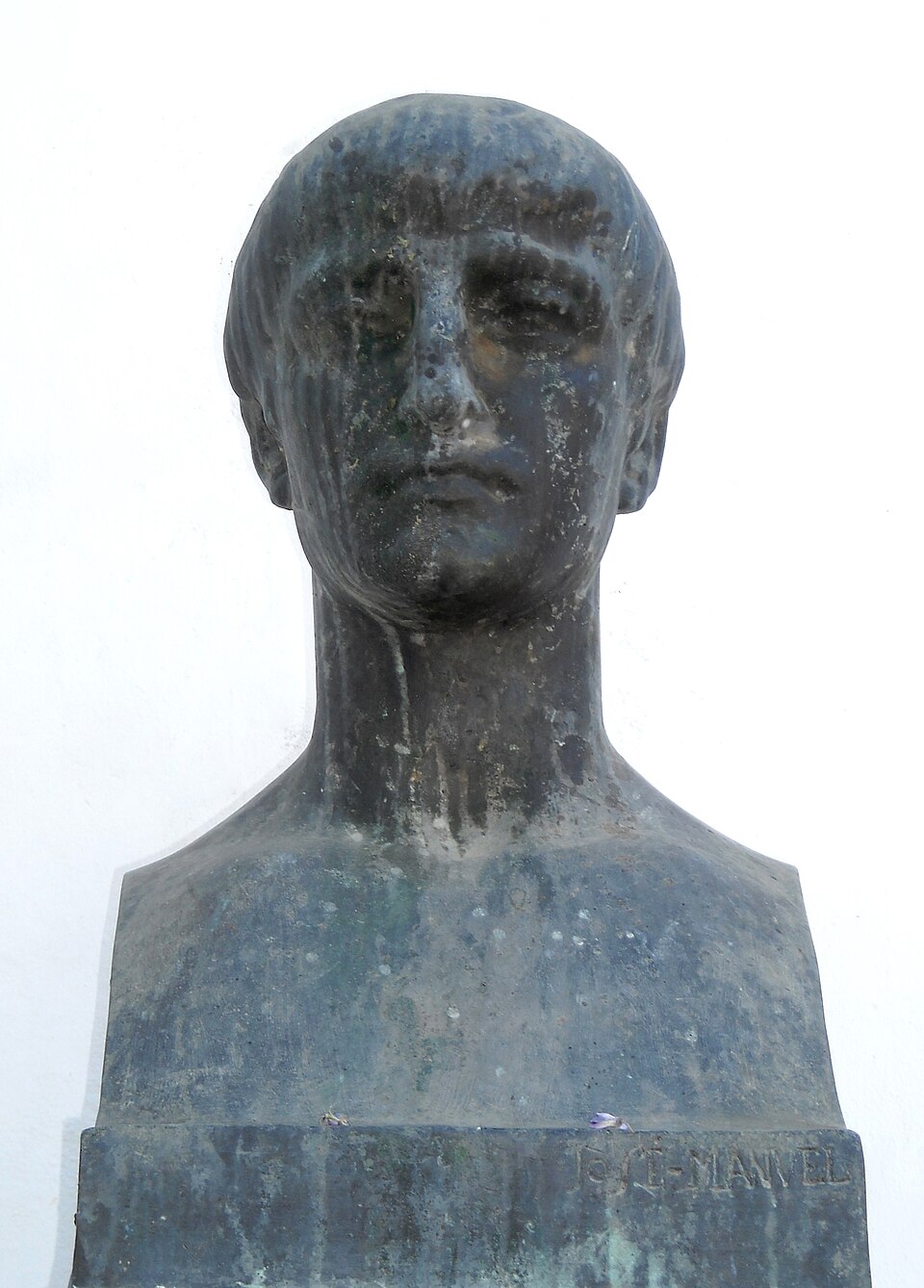
Cruccone · CC BY 3.0 ↗
Latin · Poetry · Epic
1 work · 15,093 aligned sentences
Birth: 39 AD / Death: 65 AD
Corduba → Rome · poet · historian · writer
Read more on Wikipedia ↗
This epic recounts the catastrophic civil war between Julius Caesar and Pompey the Great in the twilight of the Roman Republic, depicting a horrific self-slaughter that shattered the state. The poem contrasts the destructive, thunderbolt-like ambition of Caesar with the waning glory of Pompey—champion of the Senate and republican liberty—alongside Cato the Younger, who embodies uncompromising Stoic virtue. Beginning with Caesar's fateful crossing of the Rubicon, the conflict engulfs Italy, Gaul, Hispania, and Africa amid sinister portents and grotesque acts of carnage. The struggle reaches its climax on the plains of Pharsalus in Thessaly, where Pompey's forces are crushed, compelling him to flee to Egypt only to meet a treacherous assassination. While Cato leads the republican remnants on a grueling march through the venomous Libyan desert, Caesar pursues his rival to Egypt, entangling himself in dynastic intrigue and finding himself besieged in Alexandria. Concluding abruptly mid-action, the poem stands as a dark, lamenting anti-epic that mourns the death of Roman liberty and exposes the cruelty of imperial power unchecked by the gods.